
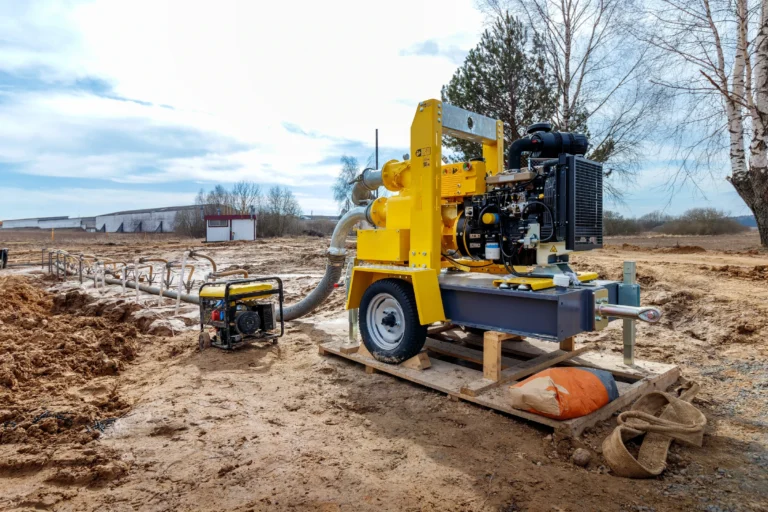
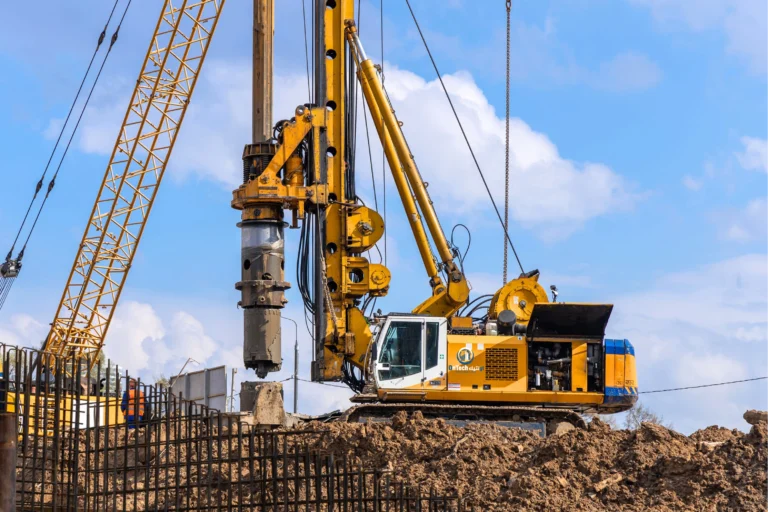
Grouting
Compaction Grouting
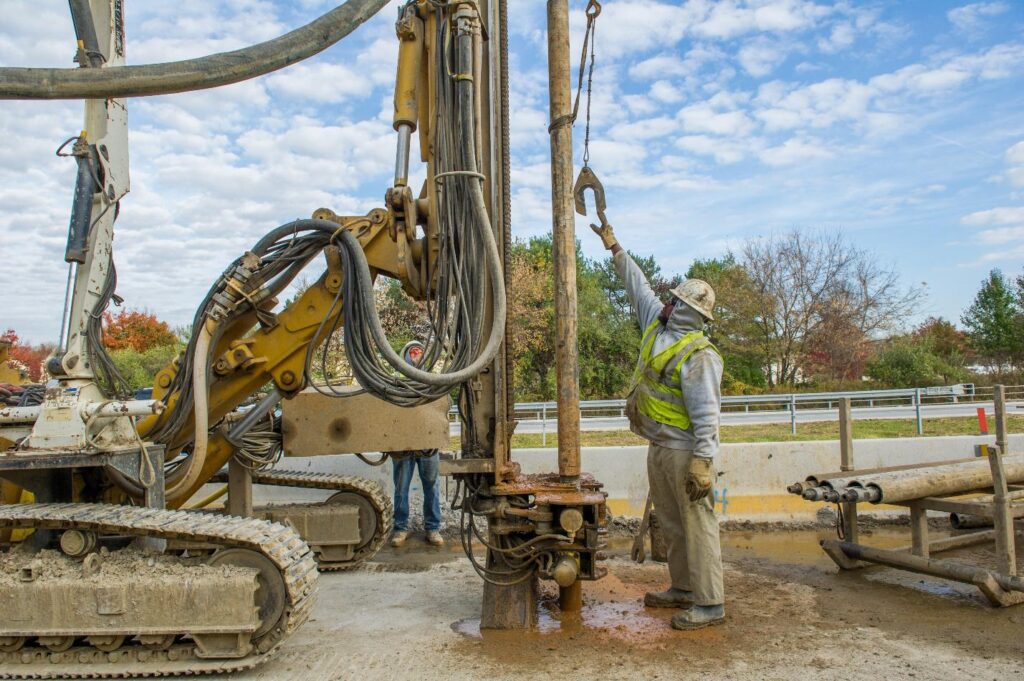
Compaction grouting is a ground improvement technique in which a thick, low-mobility grout is injected under pressure into the soil to densify loose or weak ground and reduce settlement. The injected grout displaces and compacts the surrounding soil, increasing its strength and stability without excavating or disturbing the surface significantly.
This method is ideal for stabilising foundations, underpinning existing structures, improving bearing capacity, and mitigating settlement in urban or sensitive sites. Compaction grouting provides a reliable, efficient, and minimally invasive solution for a wide range of soil improvement challenges.
Key Advantages
- Improves soil strength and density, reduces settlement and increases load-bearing capacity.
- Minimal surface disturbance, Works without major excavation, ideal for built-up or sensitive sites.
- Versatile application, Suitable for underpinning, foundation stabilisation, and void filling.
- Controlled and precise, Grout can be injected exactly where needed, ensuring targeted improvement.
- Fast and efficient, can stabilise soil quickly compared to traditional ground improvement methods.
- Environmentally friendly, reduces the need for removal or replacement of existing soil.
Quality assurance
- Stabilises foundations and structures, preventing settlement or subsidence in weak or fractured ground.
- Precise and controlled, Grout is injected exactly where needed, ensuring targeted stabilisation.
- Minimal site disruption, Works without major excavation, ideal for urban or sensitive sites.
- Versatile application, Suitable for void filling, tunnel support, and retrofitting existing structures.
- Increases ground strength, fills cracks and fractures, improving overall soil and rock integrity.
- Safe and efficient, reduces risk to existing structures while providing reliable results.
Compensation / Fracture Grouting
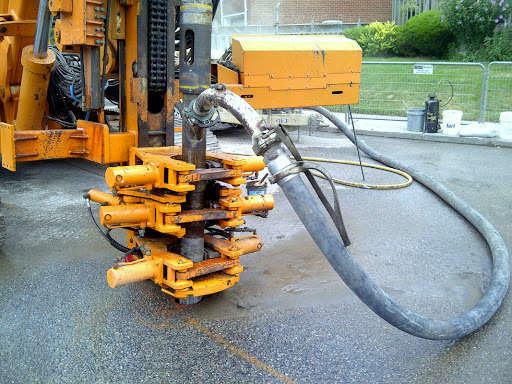
Compensation or fracture grouting is a ground stabilization technique in which a low-viscosity grout is injected under controlled pressure into voids, cracks, or fractured soil and rock formations. The grout fills gaps, strengthens the ground, and restores structural integrity to prevent further settlement or subsidence.
This method is ideal for foundation stabilisation, underground void filling, tunnel and excavation support, and mitigating settlement under existing structures. Compensation grouting provides a precise, minimally invasive solution to stabilise problematic ground conditions while maintaining site safety and structural performance.
Key Advantages
- Stabilises foundations and structures, preventing settlement or subsidence in weak or fractured ground.
- Precise and controlled, Grout is injected exactly where needed, ensuring targeted stabilisation.
- Minimal site disruption, Works without major excavation, ideal for urban or sensitive sites.
- Versatile application, Suitable for void filling, tunnel support, and retrofitting existing structures.
- Increases ground strength, fills cracks and fractures, improving overall soil and rock integrity.
- Safe and efficient, reduces risk to existing structures while providing reliable results.
Quality assurance
Quality assurance ensures that every compensation or fracture grouting project meets the highest standards of safety, reliability, and performance. Our team follows strict procedures, inspections, and documentation at every stage to verify that materials, equipment, and workmanship comply with project specifications and industry standards, delivering precise, consistent, and durable results.
Jet Grouting
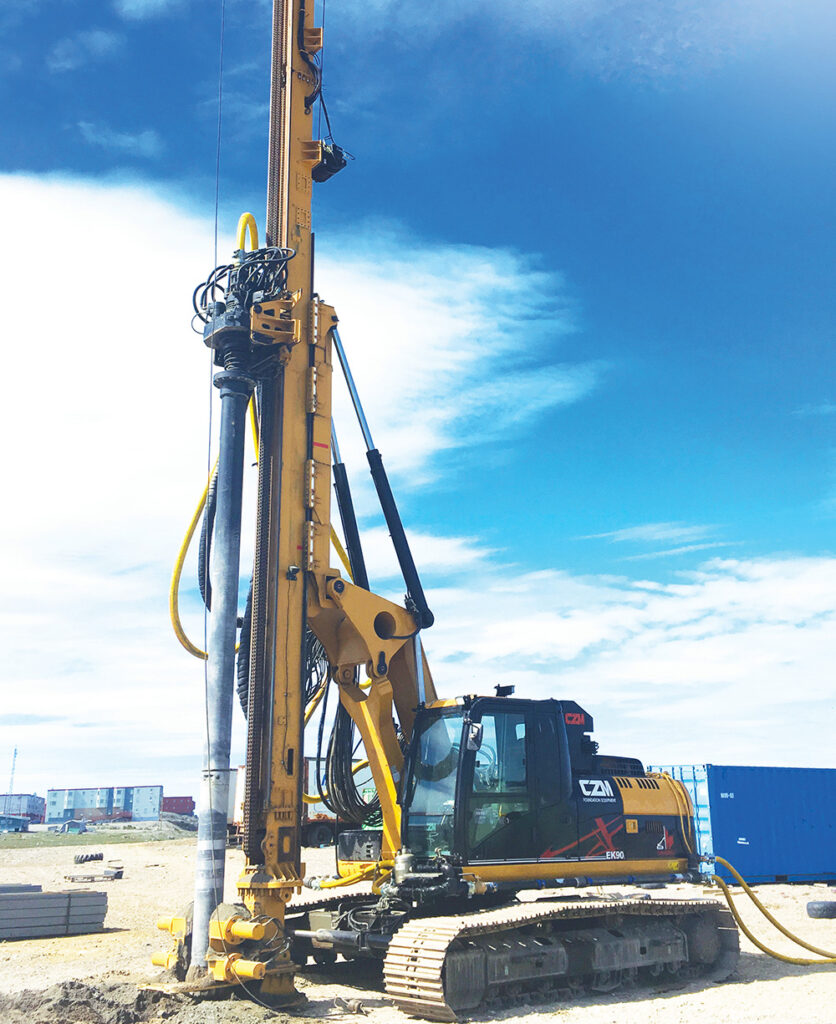
Jet grouting is an advanced ground improvement technique in which high-pressure jets of grout are injected into the soil to create soil-cement columns or panels. The process mixes and solidifies the in-situ soil, enhancing strength, stiffness, and impermeability.
Jet grouting is ideal for foundation underpinning, excavation support, slope stabilisation, and seepage control in challenging soil conditions. It provides a precise, versatile, and minimally invasive solution for improving weak or unstable ground, even in confined or urban sites.
Key Advantages
- Increases soil strength and stiffness, creates strong, stable soil-cement columns or panels.
- Versatile application, Suitable for underpinning, excavation support, slope stabilisation, and seepage control.
- Precise and controlled, Grout is injected exactly where needed, allowing tailored ground improvement.
- Minimal site disruption, can be installed in confined spaces with low noise and vibration.
- Effective in challenging soils, works in soft, loose, or water-saturated ground conditions.
- Durable and long-lasting, it provides reliable structural support and reduces settlement risks.
Quality assurance
Quality assurance ensures that every jet grouting project meets the highest standards of safety, reliability, and performance. Our team follows strict procedures, inspections, and documentation at every stage to verify that materials, equipment, and workmanship comply with project specifications and industry standards, delivering consistent, precise, and durable results
Permeation Grouting
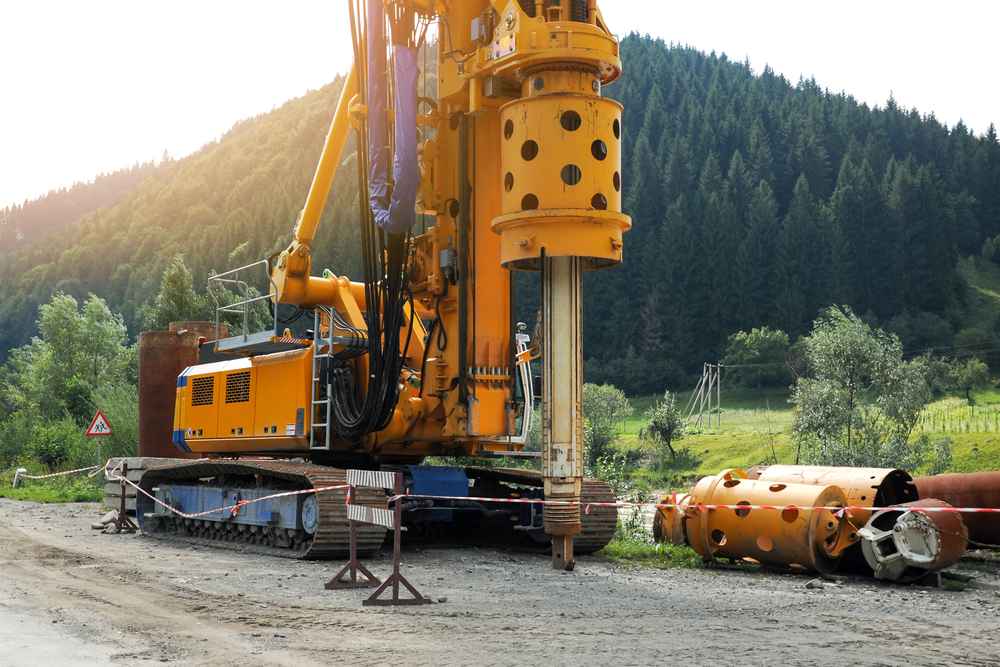
Permeation grouting is a ground improvement technique in which a low-viscosity grout is injected into porous soil or rock to fill voids and strengthen the ground without disturbing its structure. The grout permeates the soil pores, increasing density, stiffness, and bearing capacity while reducing permeability.
This method is ideal for foundation stabilisation, soil strengthening, leakage control, and void filling in sensitive or urban areas. Permeation grouting provides a precise, minimally invasive, and effective solution for improving weak or loose ground while maintaining structural integrity and site safety.
Key Advantages
- Strengthens soil without excavation, Increases bearing capacity and stiffness while leaving the existing ground largely undisturbed.
- Precise and controlled, Grout permeates exactly where needed, allowing targeted improvement.
- Reduces permeability, prevents water seepage and stabilizes weak or loose soils.
- Minimal site disruption: Ideal for urban or sensitive areas with limited access.
- Versatile applications, Suitable for foundations, tunnels, leakage control, and void filling.
- Durable and long-lasting, it provides reliable ground improvement and structural support.